
How to Freeze Soup
Freezing soup is a practical way to save time in the kitchen, reduce food waste, and save you some money. Whether you’re prepping ahead for busy nights or saving leftovers, freezing soup is a simple process that can make life easier. Here’s how to freeze soup effectively, covering tips for preparation, storage, and thawing.
As an Amazon Associate, I earn from qualifying purchases.
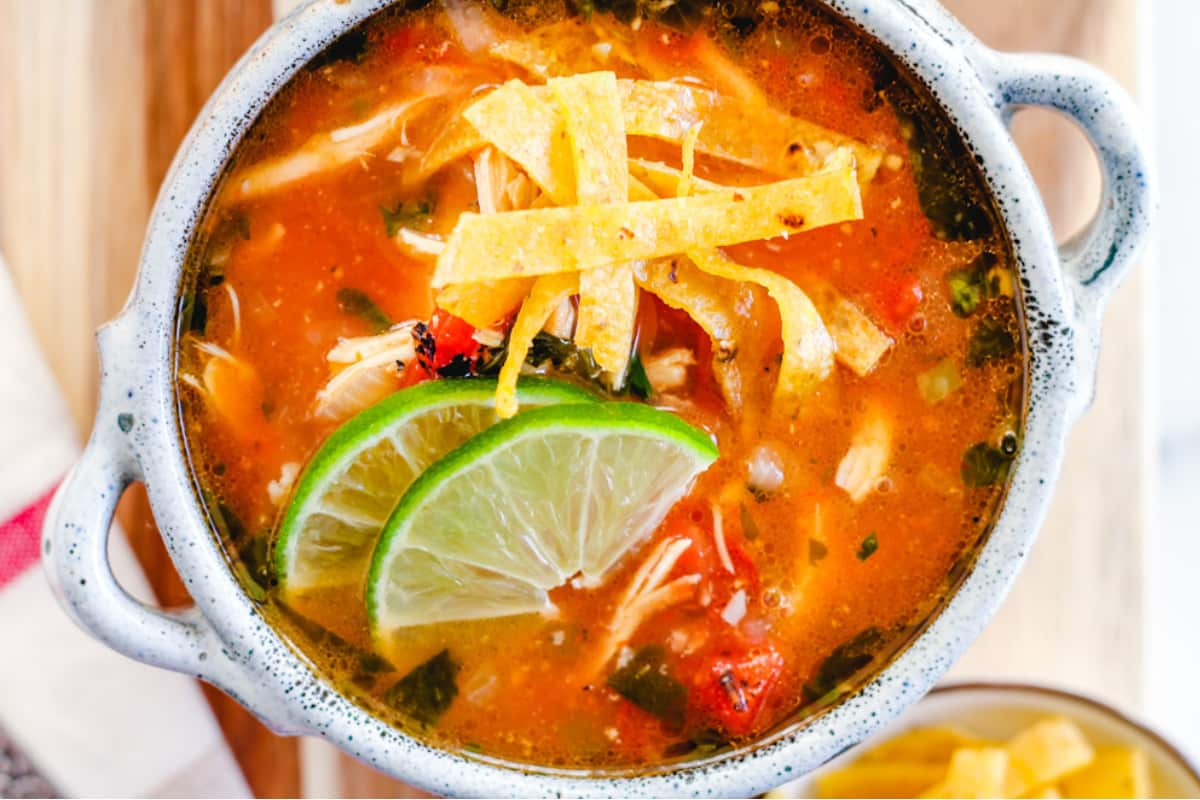
Soup is where it’s at! We love making soups. So nourishing and delicious. These tips for freezing will be super helpful for meal prep and saving some money. Check out all of our soup recipes for more inspiration.
Preparing the Soup for Freezing
It’s important to prepare your soup properly before freezing. This involves cooling it completely, choosing the correct storage method, and considering which types of soup freeze best.
Cooling the Soup
Thoroughly cooling your soup is a crucial step for maintaining food safety. It also prevents ice crystals from forming and maintains the soup’s quality in the freezer. After cooking, allow the soup to cool at room temperature for no more than two hours. Transfer the soup to shallow containers or divide it into smaller portions to speed up the process. You can also place the container in an ice bath to lower the temperature quickly.

- Fridge, freezer, oven, and microwave safe.
- Two-cup round food storage containers with lids.
I love freezing soup because it’s a budget-friendly way to avoid food waste and ensure I always have a homemade meal ready. I use zip-top freezer bags laid flat for freezing; they’re easy to stack and thaw quickly.
Mandy Applegate, My Reliable Recipes
Choosing the Right Soups to Freeze
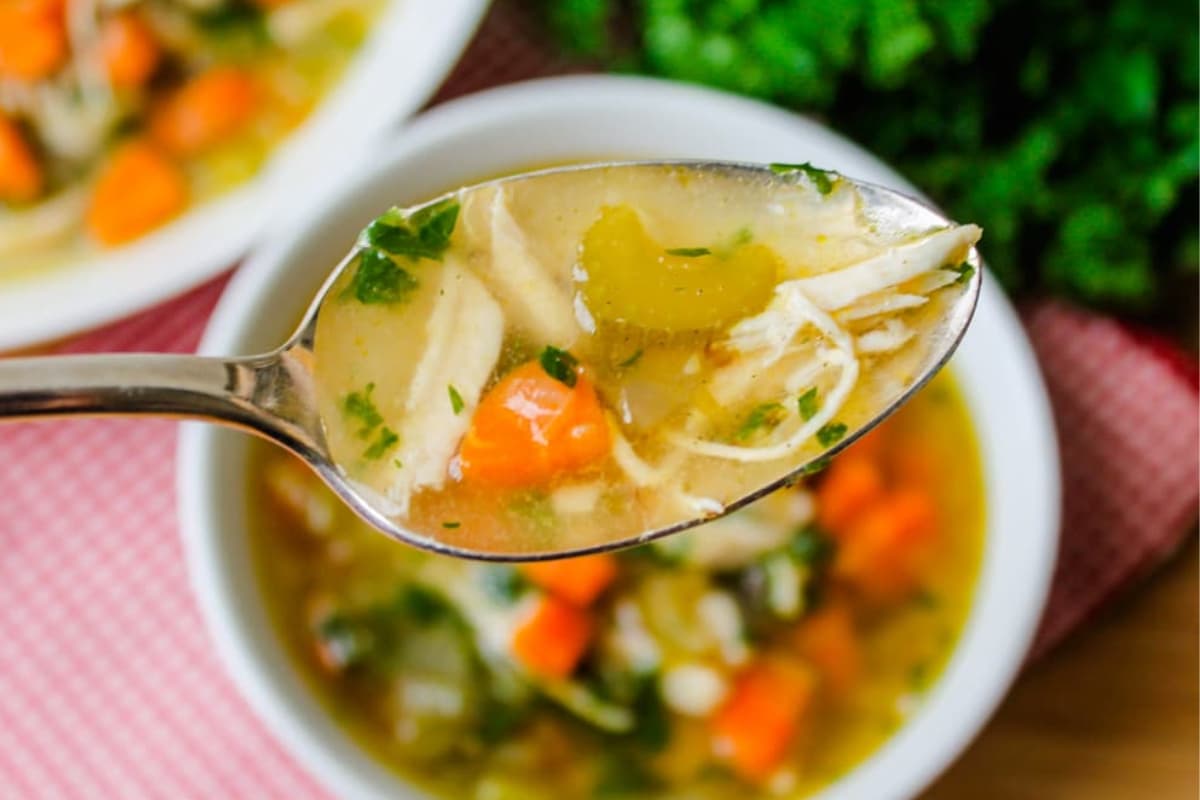
While most soups, like this chicken and cabbage soup, freeze well, some ingredients may not hold up as well in the freezer. Cream-based soups and soups with dairy are more likely to separate and lose their smooth texture upon thawing. If your soup contains cream or milk, consider adding these ingredients after reheating rather than before freezing. Similarly, soups with pasta or rice can become mushy, so if possible, cook these components fresh and add them after reheating.
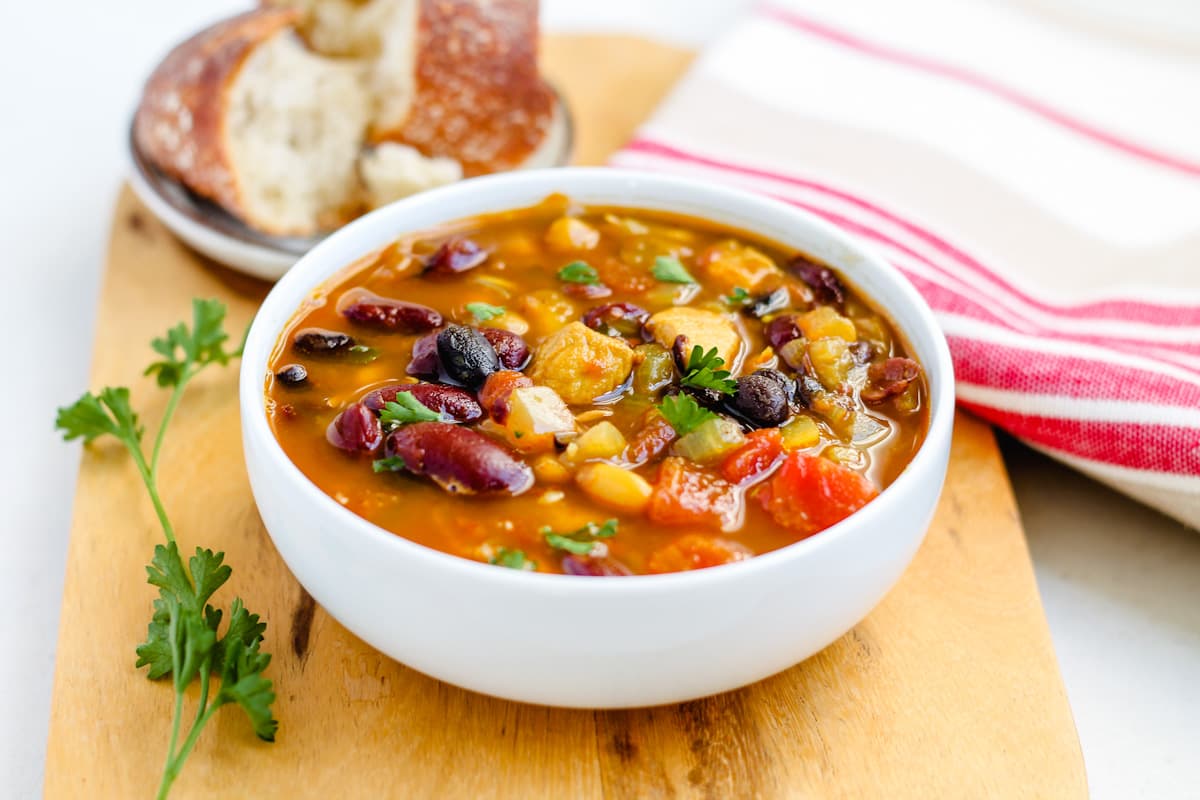
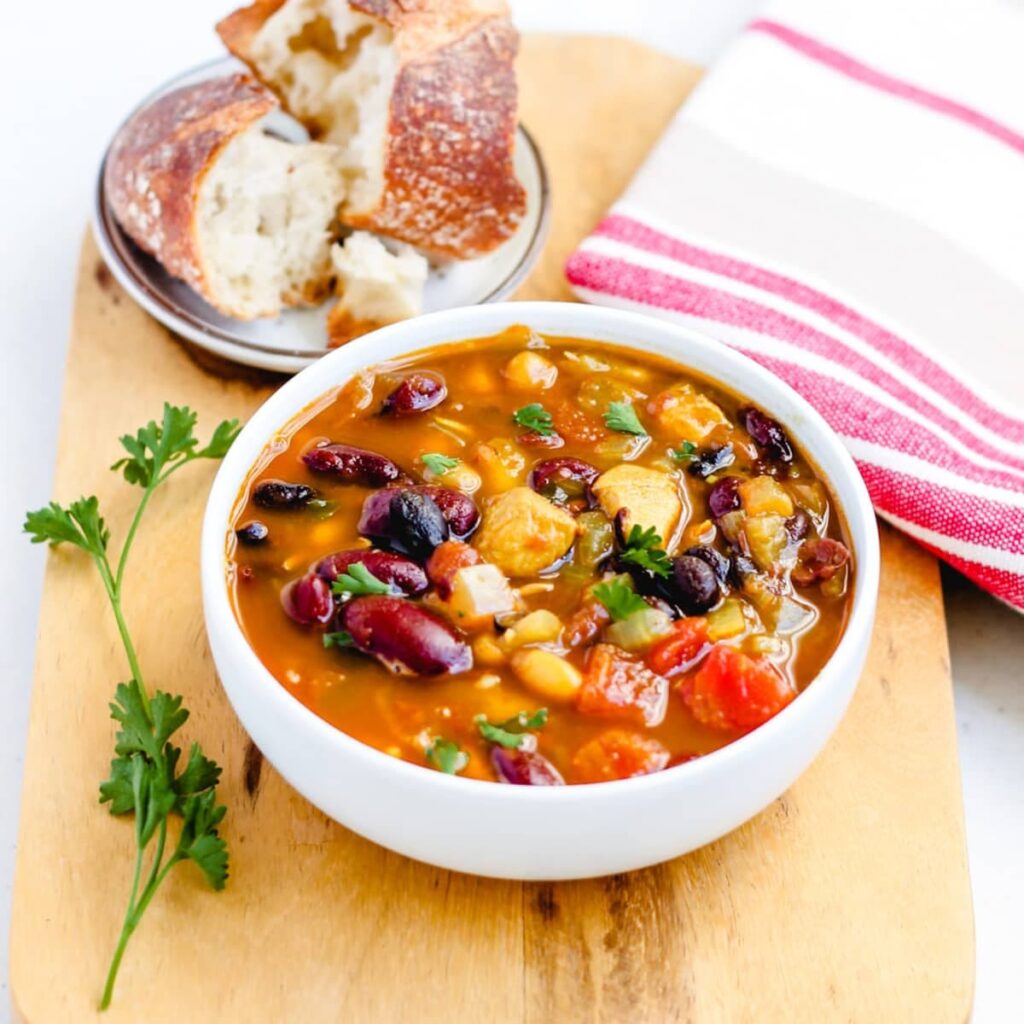
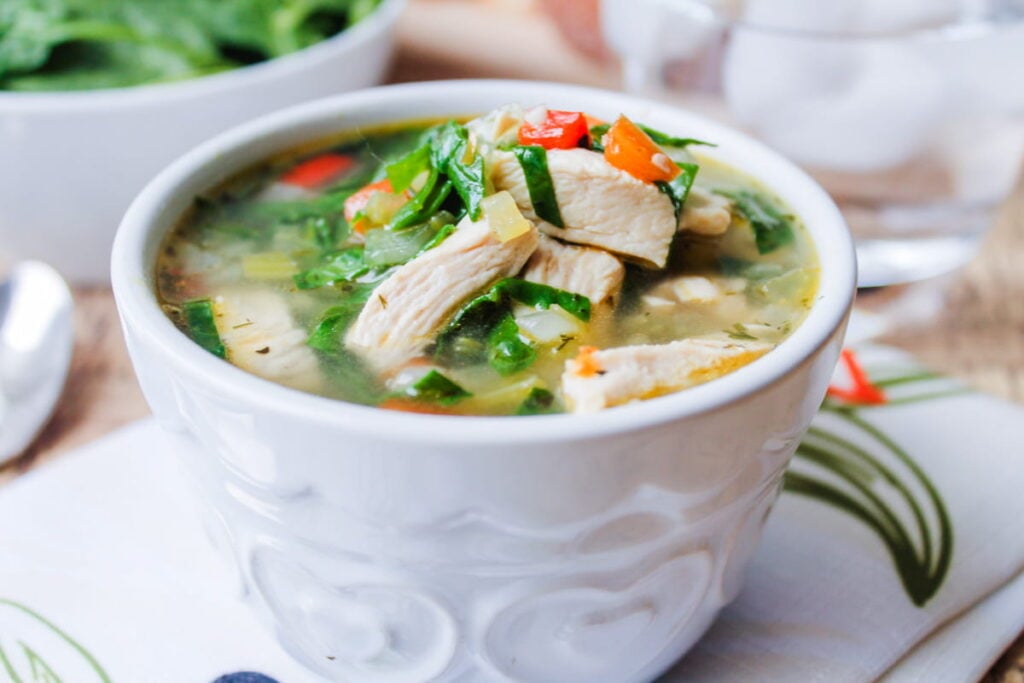
Soups that freeze exceptionally well include broth-based soups, pureed vegetable soups, and hearty stews with beans or lentils. Chicken soup is a classic example of a freezer-friendly option that’s perfect for cold and flu season.
I always love having my homemade chicken soup in the freezer during the winter months. It’s super helpful when sickness falls over the house to have warm, comforting soup on hand without having to make it!
Casey Rooney, Get On My Plate
Packing and Freezing
Properly packing your soup ensures it freezes efficiently and reheats easily later. The proper method can save space in your freezer and make meal preparation faster.
Portioning and Storing
Divide the soup into individual or family-sized portions before freezing. This makes reheating more convenient and prevents waste. Use freezer-safe containers, silicone bags, or heavy-duty zip-top bags to store the soup.
If using zip-top bags, remove as much air as possible before sealing to prevent freezer burn. Lay the bags flat in the freezer to save space and speed up thawing later. Once frozen solid, you can stack the bags vertically or horizontally for easy storage.

- Made with platinum food-grade silicone and a leak-free seal.
- Reusable storage bowls make it easy to eliminate single-use plastic and meet a wide range of household needs.
Labeling and Storing
Label each container or bag with the type of soup and the date it was frozen. Soups typically retain their quality for three to six months when stored in the freezer. While they may be safe to eat beyond this timeframe, the flavor and texture could begin to deteriorate over time.
Thawing and Reheating Frozen Soup
When you’re ready to serve your soup, you’ll need to thaw and reheat it safely. Proper handling will ensure your soup tastes as good as it did on the day you froze it.
Thawing Methods
The best way to thaw soup is to move it from the freezer to the refrigerator and let it defrost overnight. If you’re short on time, you can reheat the soup directly from the frozen state. To do this, place it in a pot on the stovetop over low heat and stir frequently to ensure even heating throughout. Bring the soup to a boil and then reduce it to a simmer for proper food safety.
Reheating Tips
Reheat soup on the stovetop to preserve its flavor and texture. For cream-based soups, stir well to re-incorporate any ingredients that may have separated during freezing. If the soup is too thick after reheating, add a splash of water, broth, or milk to achieve the desired consistency.
As a new mom, freezing soup has been a game-changer for me. I love to make big batches of hearty vegetable minestrone on Sundays, portion it into individual servings, and freeze them. It’s such a lifesaver to have a nutritious, homemade lunch ready in minutes on those hectic days when I’m managing a fussy baby.
Bella Bucchiotti, xoxoBella
Tips for Making Freezing Soup Easier
Here are some additional tips to make freezing soup a seamless process:
- Avoid overfilling containers, leaving about an inch of space at the top to allow the soup to expand as it freezes.
- If your soup comes with toppings like croutons, fresh herbs, or grated cheese, freeze them separately and add them after reheating.
- Batch cooking multiple types of soup at once can also provide variety in your freezer stash, giving you options for different cravings or needs.
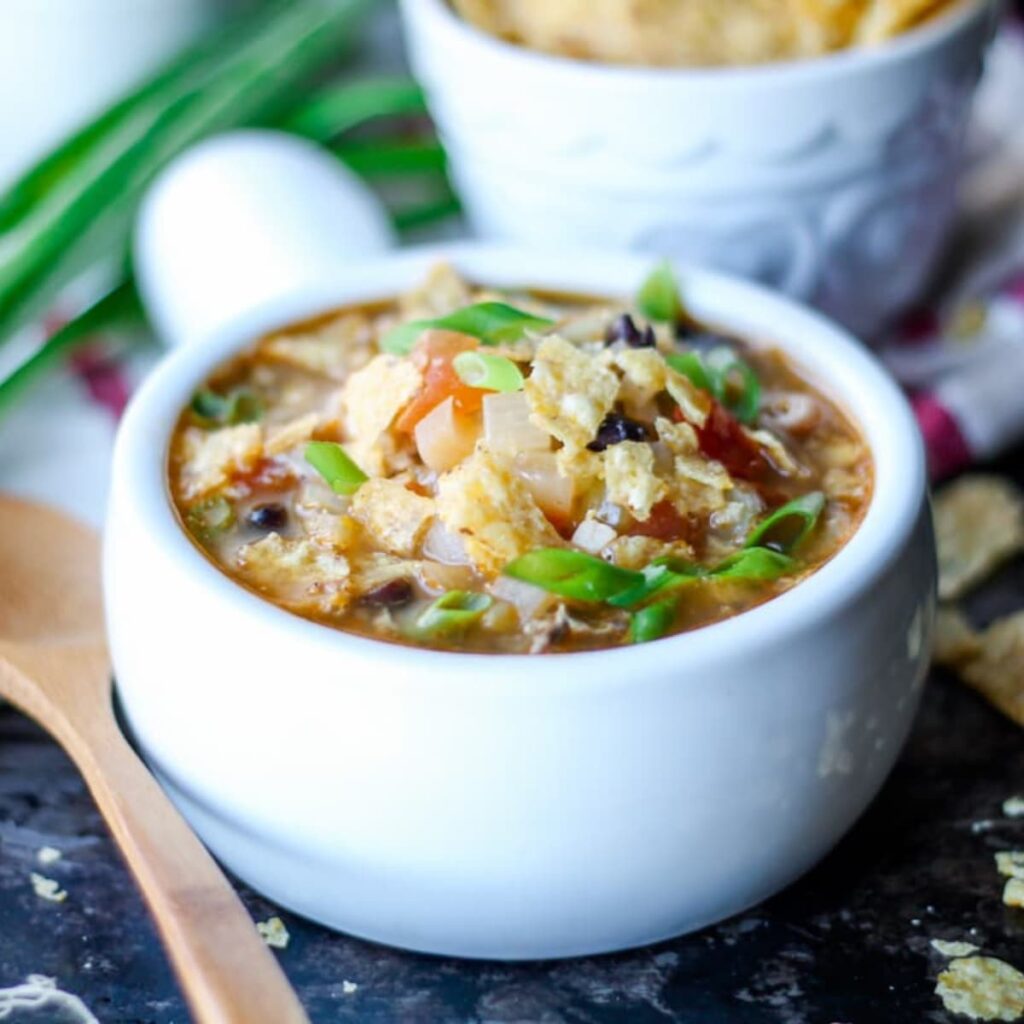
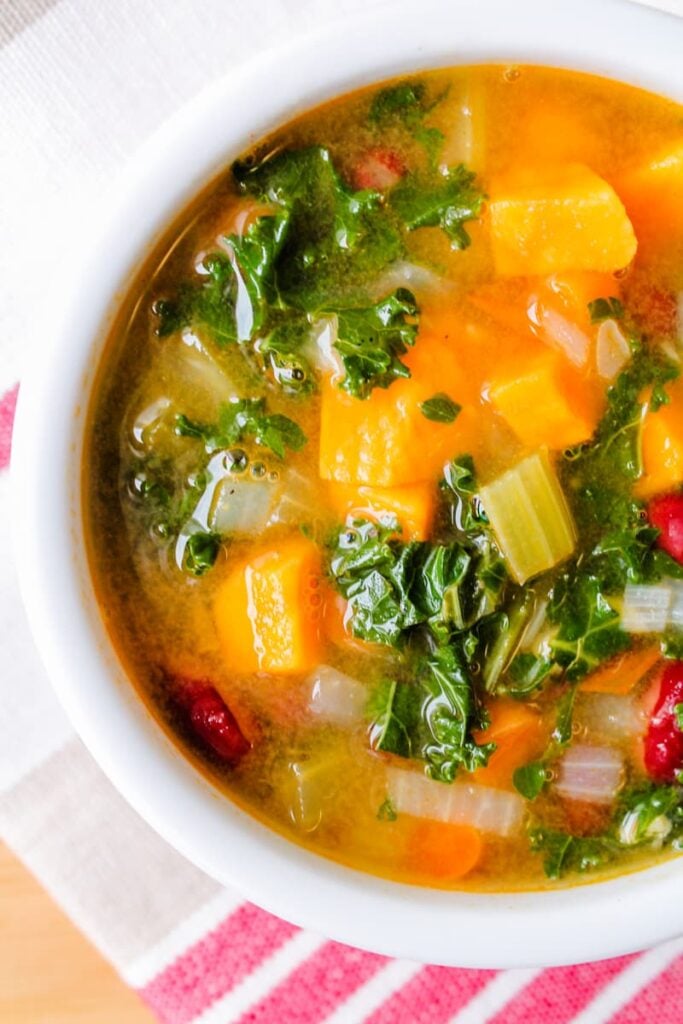
Delicious Soup Recipes
Freezing soup is a convenient way to have nourishing meals ready when you need them most. By following these steps, you can preserve your soup’s flavor, texture, and nutritional value for months. Whether you’re managing a busy household, recovering from illness, or simply planning ahead, frozen soup can provide comfort and simplicity in your kitchen.
Gen is a professional chef, writer, and editor living in Southern California. She is the owner and recipe creator behind Two Cloves Kitchen, a food site featuring contemporary, California-inspired recipes. She has edited over 20 novels, short stories, and essays for publication.
This article originally appeared on Food Drink Life.